Preparing Your Car for Winter: Ensuring Safety and Reliability
As the days grow shorter and temperatures drop, the arrival of winter presents unique challenges for drivers. Each year, winter weather conditions contribute to accidents, breakdowns, and inconvenience on the roads. To understand the importance of preparing your car for winter, it’s worth knowing just how much trouble colder months can cause on our roads.
The Reality of Winter Driving: A Closer Look at the Risks
Winter in the United Kingdom, while not as severe as in some other parts of the world, comes with its own set of challenges that can’t be underestimated.
Increased Winter-Related Accidents:
The winter months in the UK bring with them a noteworthy increase in weather-related accidents. By looking in to the monthly data reporting car insurance claims, there is a consistent rise in road accidents during to the tune of 20-30% during this season. While the UK doesn’t experience the extreme snowfalls seen in some regions, the combination of rain, sleet, and frost creates slippery road conditions. These weather-related accidents have been responsible for a significant number of casualties and injuries.
Breakdowns and Stranded Vehicles:
During the winter season, breakdowns and stranded vehicles become all too common. In December 2022 The Royal Automobile Club (RAC) peaked at 12,000 call-outs in one day. The impact of this led to some drivers being stuck on the M25 for upwards of eight hours – not a fate that you should want to be unprepared for. These breakdowns not only inconvenience drivers but also pose safety risks, especially in freezing temperatures.
Being stranded on the side of the road during winter is not just an inconvenience; it can be life-threatening. According to data from local emergency services, drivers and passengers stranded in winter conditions are at increased risk of hypothermia, frostbite, and other cold-related health issues. Even a brief wait for assistance can become a dangerous situation when temperatures drop – especially for older drivers.
7 Essential Tips to Get Your Car Winter-Ready
It’s in the light of these sobering statistics and real-life scenarios that we emphasise the importance of preparing your vehicle for winter. The risks are not mere possibilities; they are concrete and demand our proactive attention. In the next section, we will guide you through the necessary steps to ensure your vehicle is ready to face the impending winter challenges head-on. Let’s equip ourselves to meet these challenges with confidence, knowing we’ve taken the right measures to stay safe on the winter roads.
1. Battery Check:
2. Tire Inspection:
3. Fluid Levels:
4. Brake Maintenance:
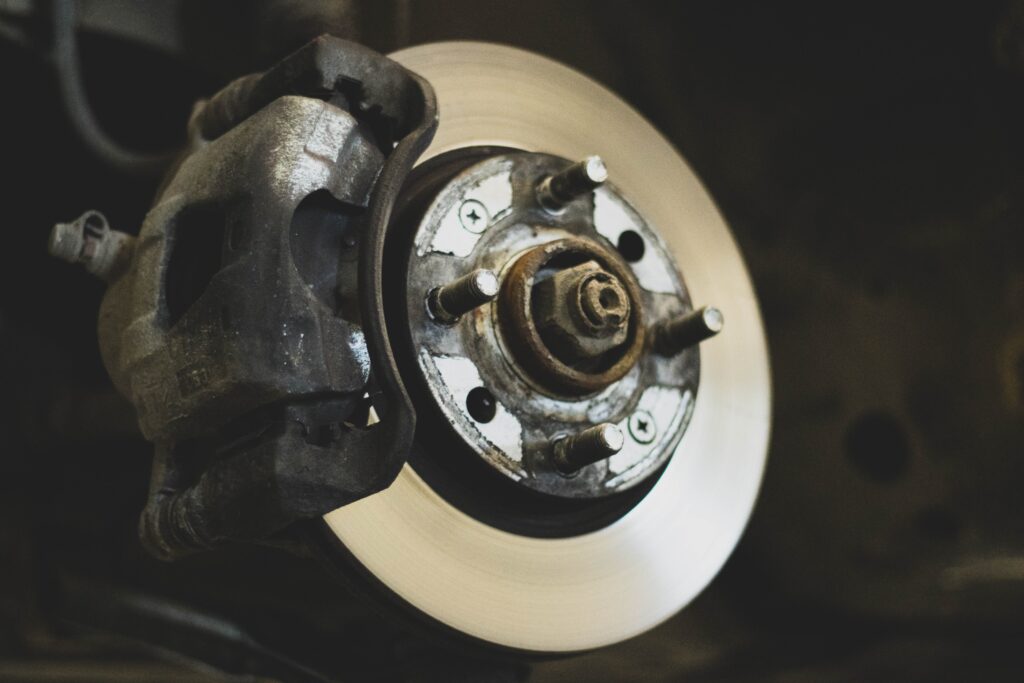
Your brakes are your first line of defence on slippery winter roads. Have your brakes professionally inspected, including brake pads and rotors. Ensuring that your braking system is in top condition is vital for your safety. Roads with lower grip will be more of a challenge for your anti-lock braking system, so ensure that all sensors are working. We don’t often have to use our brakes too hard, but it may be worth finding a safe and quiet area to test your brakes with a brisk stop. Look out for any juddering through the pedal, severe noises or if the car pulls away from the straight.
5. Replace Worn Wipers:

6. Emergency Kit:

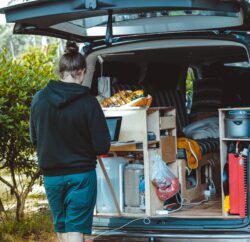
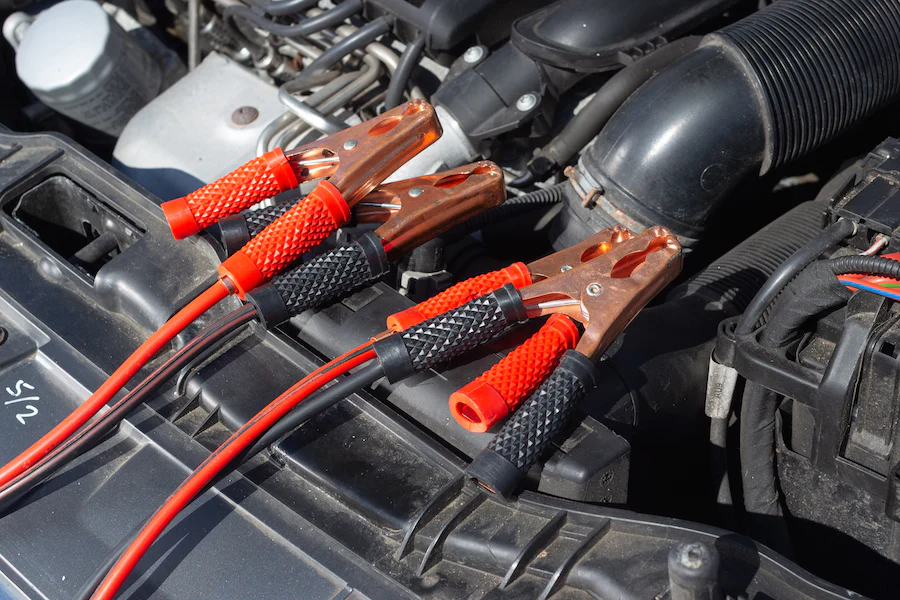
Prepare an emergency kit to have in your vehicle throughout the winter season. This kit should include items such as a waterproof coat, a jumper, blankets, a flashlight with spare batteries, non-perishable food, and a well-stocked first-aid kit. Don’t forget to include ice scrapers, snow brushes, and jump leads in case you find yourself in a tight spot on the road. If you’re going on a particularly long journey, consider bringing a flask with a hot drink incase you get stuck somewhere very remote.
7. Get a Winter Inspection:
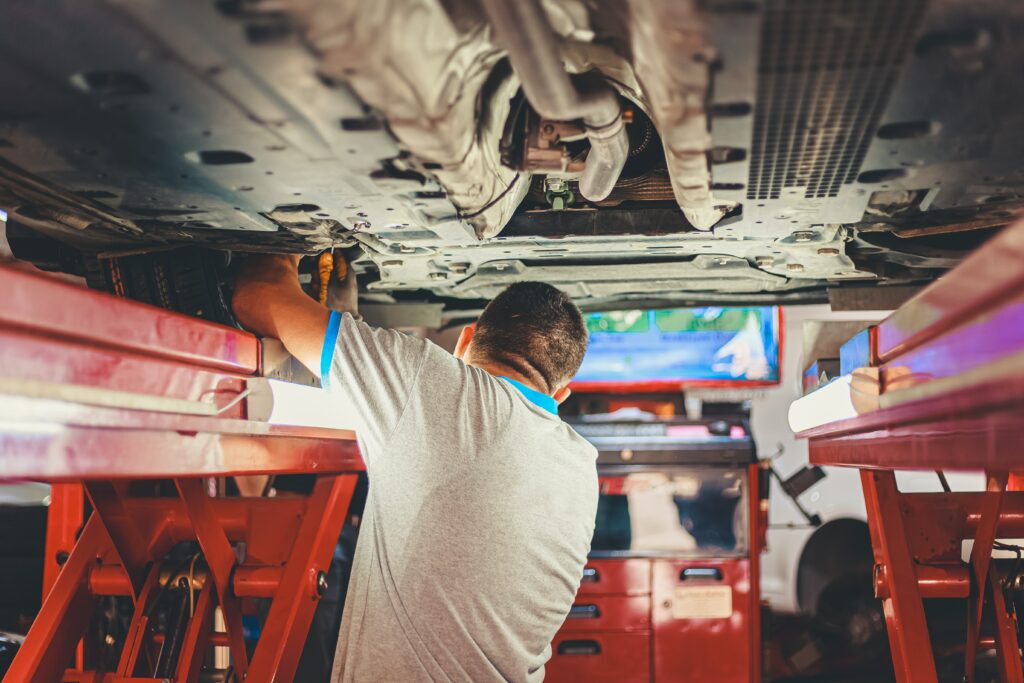
Consider scheduling a comprehensive winter check-up with a qualified mechanic. They can identify and address any issues that might compromise your car’s performance during the winter. A professional inspection can uncover potential problems early, saving you from unexpected breakdowns and ensuring your vehicle is in top shape to face the season’s challenges.
Taking these steps to prepare your car for winter can significantly reduce your risk of accidents, breakdowns, and discomfort during the colder months. By addressing these critical aspects of vehicle maintenance, you’ll ensure that your car remains safe, reliable, and ready to tackle the challenges of winter driving. Don’t wait—get started on your winter preparations today. Your safety and peace of mind are worth it.